Posts

Showing posts with the label . Safety valve China

Understanding Chinese Valve Standards and Certifications

Image
With the development of industries, there is an increasing demand of safety valves that are reliable. In the sourcing of Pressure Safety Valve Supplier to China, it is important to know the valve standards and certifications of the country. This information will keep you informed so that you can select products that are both locally and internationally safe. The Chinese Standards Matter. China has very strict industrial valve regulation, particularly the ones that are involved in critical use. These standards guarantee: Consistent product quality Observance of safety standards. Long service life Global system compatibility. The valves offered by a supplier meeting these standards can serve the oil, gas, chemical, and manufacturing industries. Relevant China Pressure Safety Valve Standards. A few national and international standards inform manufacturing of valves in China. Common ones include: GB/T Standards -  Chinese national materials standards, design and testing standards. JB/T...

Magnetic Drive Pumps vs. Old Pumps: What's Better

Image
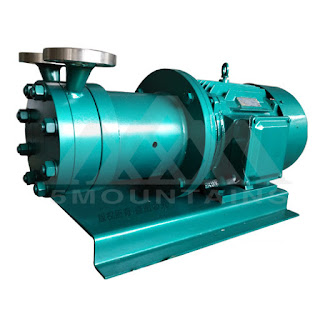
The selection of a proper pump to be used in an industry is based on safety, efficiency and durability. Comparing old pumps with magnetic drive pumps, let us examine it. What Is a Magnetic Drive Pump? High pressure magnetic drive pump replaces the shaft regarding motion transfer by magnets. Such a design ensures sealing of fluids and avoiding leakage. The pumps find their application in the areas where toxic, corrosive, or very high temperature liquid may be either sensitive or hazardous. Traditional Pumps: How Do They Work? Conventional pumps operate under a shaft and seals that are mechanical in nature. Those seals can wear out, leak and typically need frequent maintenance. They may be cheaper until the beginning, but more expensive to operate and maintain in the end. Benefits of Magnetic Drive Pumps 1. No Risk of Leaks A  high pressure magnetic drive pump  eliminates leaks due to its sealless design. This is extremely important in chemical or dangerous industries. 2. Lower ...

What Happens If My Pressure Valve Fails? Know the Risks.

Image
Industrial operation safety depends heavily on pressure valves as they regulate pressure flow throughout pipes and vessels, and equipment. A   Pressure Safety Valve Supplier   stands as one of the critical pressure valve types. Failure of such valves presents severe safety risks to your system and operations, and overall plant safety. Knowing the threats that result from pressure valve failures allows organizations to uphold environmental safety Equipment Damage A Pressure Safety Valve's improper operation leads to severe damage to the equipment. The Pressure Safety Valve exists to reduce high system pressure. Equipment such as pumps, pipes, and pressure vessels will experience pressure levels that run beyond their safe limits when the  Pressure Safety Valve Supplier  does not operate correctly. System failures, together with equipment production delays, occur when an improperly working Pressure Safety Valve allows pressures to reach dangerous limits. Safety Hazards ...

The Role of Safety Valve Manufacturers & Suppliers

Image
In the intricate web of industrial operations, safety is paramount. Among the various components safeguarding systems against potential hazards, safety valves stand as vital guardians, ensuring pressure regulation and preventing catastrophic incidents. Let’s delve into the pivotal role of Safety valve manufacturers and suppliers in upholding industrial safety standards.   Understanding Safety Valves: A Crucial Component Many industrial processes lies the need to manage pressure effectively. Whether it's in a chemical plant, oil refinery, or power generation facility, excessive pressure buildup can lead to disastrous consequences. This is where safety valves come into play. These devices are designed to automatically release excess pressure from systems, maintaining safe operating conditions.   The Significance of Pressure Safety Valves Pressure safety valves, also known as safety relief valves, are specifically engineered to control pressure levels within preset l...

Environmental Concerns Driving Adoption of Magnetic Drive Pumps

Image
As global awareness of the importance of protecting the environment continues to grow, more and more industries are seeking ways to reduce their environmental impact. One way that many industries are achieving this goal is by adopting  high-pressure magnetic drive pumps . Magnetic drive pumps offer several benefits over traditional pumps, making them an attractive option for companies looking to reduce their environmental footprint. What is Magnetic Drive Pumps? Magnetic drive pumps are a type of pump that uses a magnetic field to transfer fluid from one location to another. Unlike traditional pumps, which rely on a mechanical connection between the motor and the pump impeller, magnetic drive pumps use a magnetic coupling to transfer power from the motor to the impeller. It eliminates the need for a shaft seal, which can be a significant source of leaks and emissions.   Benefits of Magnetic Drive Pumps There are several benefits to using magnetic drive pumps from ...

Are Your Safety Valves Safe? Check it with the Safety Valve Manufacturer in China!

Image
There are many different types of safety valves, but they all work on the same basic principle. When the system pressure exceeds the set point, the valve opens and allows pressure to be released. The valve closes when the pressure is at its normal level.   Safety valve China   is one of the best quality valves that you can use. However, just because a safety valve is designed to protect the system from overpressure doesn't mean that it can't fail. Safety valves are one of the most common sources of pressurized system failures. Reasons for safety valve failure! There are many different reasons why a safety valve might fail. The most well-known is just mileage. Over time, the valve seat can become worn, and the valve might not close as tightly as it did when it was new. It can cause the valve to leak or even to fail to open when it's needed. Another common cause of safety valve failure is dirt or debris. If the valve isn't able to seat properly because of somethi...